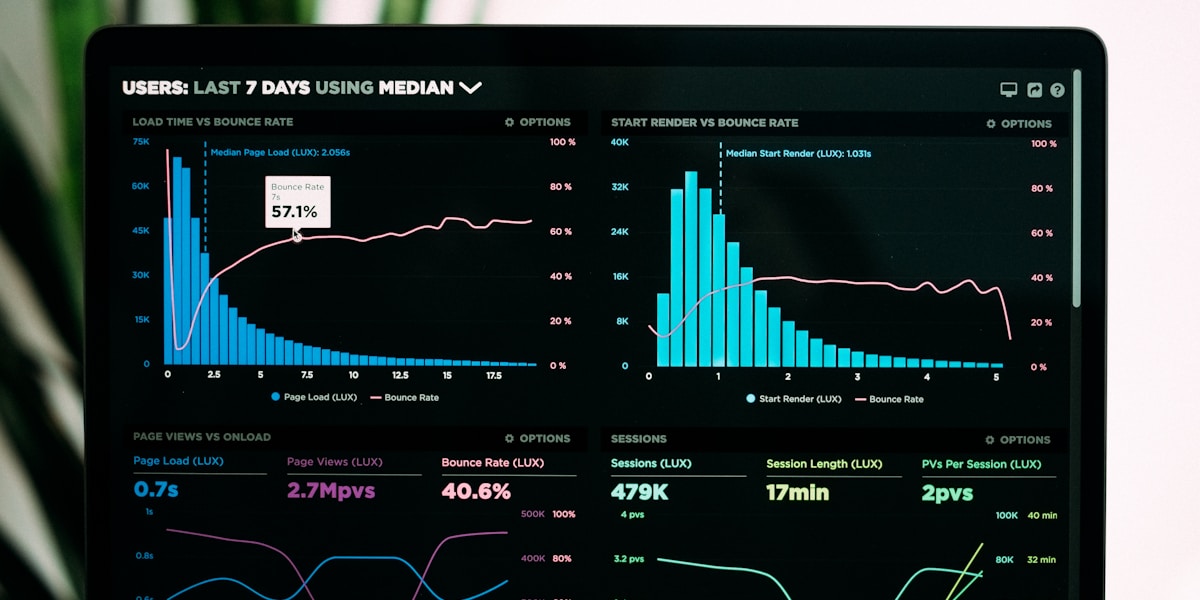
A refurbishment buyer in 2026 has access to more market data than ever before: eBay sold listings, Amazon price history, B-Stock bid histories, Keepa tracking, and real-time channel comps. The problem is not data availability — it is knowing which signals matter for a procurement decision made under time pressure, and how to interpret them without building a spreadsheet for every lot evaluation.
This guide covers the three layers of market intelligence that professional buyers use, the tools that generate each type of data, and the specific patterns that should trigger a buy, a pass, or a closer look.
The Three Layers of Market Intelligence
Effective market analysis for recommerce procurement operates at three levels:
- Current price: What is this SKU selling for right now, by condition grade, on the channels I use?
- Price history: Is the current price higher or lower than normal? Is this category appreciating, depreciating, or stable?
- Velocity: How fast is inventory moving? Are sellers accumulating or depleting?
Procurement decisions based only on current price — the most common mistake — miss the other two entirely. A category where current price looks attractive may be in a seasonal peak that will drop 20% in six weeks. A category where current price looks low may be in a post-release trough that will recover in 30 days.
Tools by Data Layer
| Data Need | Primary Tool | What to Look At | Key Limitation |
|---|---|---|---|
| Current eBay prices by grade | eBay Sold Listings filter | Last 30 days, sold (not active), filter by grade label | No velocity data; only completed sales |
| Amazon price history | Keepa | 90–180 day price chart, new vs. used, buy box history | Amazon only; some used categories thin |
| Sales velocity / rank | Keepa sales rank chart | Sales rank drops = sales events; frequency of drops = velocity | Amazon-specific; rank inflation in large categories |
| eBay sell-through rate | Terapeak (eBay Seller Hub) | Active vs. sold ratio by category and condition | Requires eBay seller account; some data lag |
| B-Stock bid history | B-Stock lot history (your account) | What lots like this sold for in the last 90 days | Only your bidding history visible, not all winners |
| Multi-channel price aggregation | Recyscope margin intelligence | Cross-channel price by grade with margin projection | Platform-specific data availability |
Reading Price History: The Four Patterns That Matter
A 90-day Keepa price chart for any consumer electronics SKU will show one of four patterns. Each has a different implication for procurement timing:
Pattern 1: Stable with Seasonal Peak
Price is consistent for 60–70 days, then spikes for 20–30 days (typically October–December for electronics). If you are looking at a lot in October and the price appears high, check whether the chart shows this same spike last year. Buying at peak to resell at peak only works if your processing time is under 14 days — otherwise you are selling at seasonal decline. For this pattern: bid conservatively during the peak, wait for the plateau to build position for the next cycle.
Pattern 2: Post-Release Trough
Price drops sharply after a new model release, then stabilizes 30–60 days later as the market absorbs the initial shock. The iPhone 13's used price fell 18–22% in the two weeks after the iPhone 15 announcement, then stabilized. If you are seeing a sharp recent decline with a historically stable price preceding it, this may be a buying opportunity — but only if you can sell within 60 days of the trough, before the next release cycle.
Pattern 3: Sustained Decline
Price falls consistently over 90+ days with no recovery. This pattern indicates a category in structural decline — either the product is being obsoleted by a successor generation, or competition from new suppliers is compressing the entire grade range. Avoid building significant position in a sustained-decline category. These lots look cheap for a reason.
Pattern 4: Volatile with No Clear Trend
Price moves up and down 15–25% repeatedly with no seasonal correlation. This typically indicates a supply-driven market where lot volumes from retailers vary significantly. For this pattern: maintain a short-dated position (target 21-day sell-through), avoid large lot acquisitions, and check how many competing sellers are active.
Velocity Analysis: How Fast Is Inventory Actually Moving?
Price is what you sell for. Velocity determines how long your capital is tied up before you realize that price. The combination of price and velocity determines your effective return on invested capital — which is a more useful metric than gross margin alone for procurement decisions.
On Amazon, sales rank drops on a Keepa chart each time a unit sells. Count the number of drops in the last 30 days for a specific ASIN: that approximates how many units of that item sold from a single seller. If there are 25+ drops in 30 days, the category is moving fast. Under 5 drops suggests slow turnover — and you need to ask whether your cost model accounts for 60–90 days of holding time rather than 14–21.
On eBay, Terapeak's sell-through rate is the cleaner metric: active listings versus completed sales in the same 30-day window. A sell-through rate above 70% for a given grade label and price range indicates strong demand. Below 40% indicates excess supply or price resistance.
Competitive Intelligence: How Many Sellers Are You Competing With?
A category with attractive price history and good velocity can still yield poor margins if too many sellers are competing for the same buyers. Price pressure in high-competition categories erodes the margin you modeled at procurement time.
On eBay, search your target SKU and grade label, filter to active listings only, and count the number of sellers in your target price range. Under 5 active sellers in your price range is a good signal. Over 15 suggests you will need to price aggressively — meaning your margin model should use the lower end of your comp range, not the midpoint.
On Amazon, the buy box competition metric in Keepa (number of offers) tells you how many sellers are active. A jump from 3 to 12 sellers over 30 days suggests a recent supply surge — common when a large retailer returns lot hits multiple liquidation buyers simultaneously.
The 60-Second Pre-Bid Market Check
In practice, you will not have 30 minutes to analyze every lot. Build a repeatable 60-second market check routine for the categories you source regularly:
- Open eBay sold listings for the primary SKU, last 30 days, B-grade filter — note the median price
- Check if that price is above or below your 90-day reference point (which you should have bookmarked for your regular categories)
- Count the number of active competing listings in your price range — above or below your threshold?
- If anything looks anomalous (price spike, competition surge), open Keepa for 30 seconds to see if the pattern is seasonal or structural
- Apply to your max bid formula and compare to your lot evaluation
The 60-second routine only works because you have already done the slow, 30-minute analysis for your core categories and have reference benchmarks memorized or documented. For new categories, do not rush the analysis — the uncertainty premium in your margin model should compensate for skipping deep research, but only up to a point.
For how market intelligence connects to procurement decision-making, see the Procurement Decision-Making guide. For platform-specific sourcing intelligence, see the Platform Overview for B-Stock, Liquidation.com, ReturnPro, and RecoNext.
Market Intelligence Built Into Every Procurement Decision
Recyscope applies cross-channel price and velocity data to every lot evaluation — so your market analysis is embedded in the decision, not a separate step.
Request Early Access